
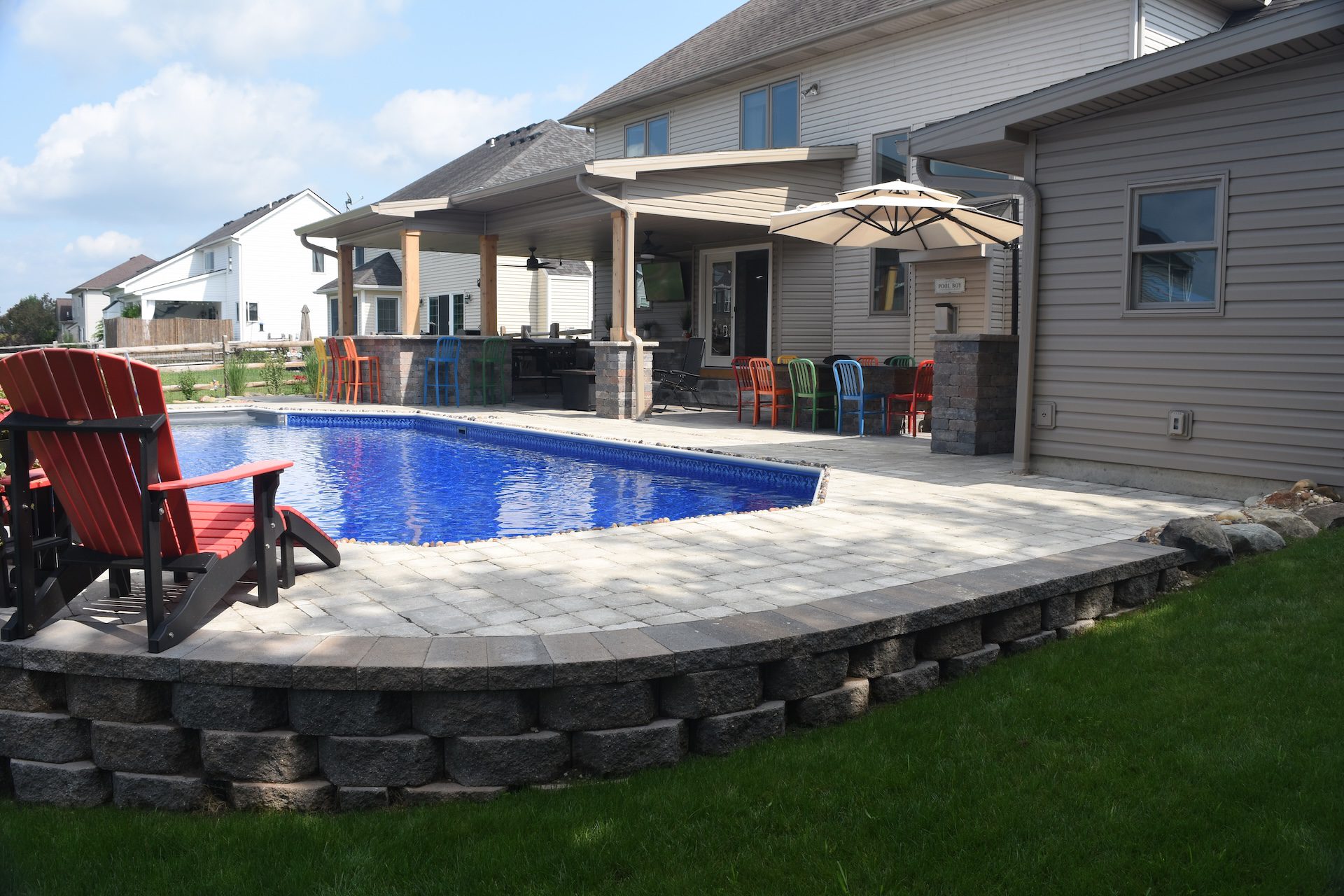
 There is a way to swim in your own backyard without chlorine, without salt, and without the chemical management cycle that turns traditional pool ownership into a part time job. A natural swimming pool uses plants, gravel beds, and biological filtration to keep the water clean, clear, and swimmable. No chemicals added. No skin irritation. No chemical smell. Just water that stays balanced the way a healthy pond does, through biology rather than chemistry.
A natural swimming pool company designs and builds these systems by integrating the swimming zone with a regeneration zone, a separate planted area where the water circulates through gravel and aquatic plants that filter, oxygenate, and stabilize the water naturally. The result is a pool that looks like it belongs in the landscape, supports biological life, and provides a swimming experience that feels fundamentally different from a conventional pool.
How the System Works
A natural swimming pool is divided into two zones that work together as a single system.
The swimming zone is the open water area designed for use. It can be lined, shaped, and finished to resemble a traditional pool or designed with a more organic, pond like aesthetic depending on the homeowner’s preference. The depth, the shape, and the entry design are all customizable.
The regeneration zone is the biological engine. It contains:
- Gravel filtration beds that provide surface area for beneficial bacteria colonies, which consume the organic matter and nutrients that would otherwise feed algae growth
- Aquatic plants selected for their filtration capacity, including species that absorb nitrogen and phosphorus from the water as they grow
- A circulation pump that moves water continuously between the swimming zone and the regeneration zone, ensuring the entire volume passes through the biological filter on a regular cycle
- A skimmer system that removes surface debris before it sinks and decomposes, reducing the organic load on the biological filtration
- Aeration that introduces oxygen into the water, supporting the aerobic bacteria that drive the filtration process and discouraging the anaerobic conditions that produce odor and poor water quality
When these components are balanced, the pool maintains clear, swimmable water without chemical inputs. The biology does the work that chlorine does in a traditional pool, but without the side effects.
Why the Design Has to Be Site Specific
A natural swimming pool in the Toledo, OH area is not a kit. The regeneration zone needs to be sized relative to the swimming zone, typically requiring at least 50 percent of the total water surface area. The plant species need to be selected for the regional climate and the sun exposure on the property. The circulation rate needs to be calibrated for the volume. And the overall design needs to work within the grade, the soil conditions, and the space available on the lot.
A natural swimming pool company that has built these systems understands the ratios, the plant science, and the water chemistry that make them work. One that is adapting a conventional pool building approach to a natural system will struggle with the biological balance.
The Pool That Belongs to the Landscape
The chlorine pool sits in the yard. The natural swimming pool becomes part of it. Dragonflies hover over the regeneration zone. Frogs appear. The water reflects the sky. And the swimming, when it happens, feels less like a pool and more like the cleanest, clearest pond you have ever been in. If that experience interests you, a conversation with a natural swimming pool company is where it begins.
 Pursu Agency